Promote Streambank Stabilization

What It Is
Techniques to protect eroding streambanks, using native vegetation, rocks, logs, or engineered structures. Stabilization may be as easy as improving vegetation or as extensive as reshaping an eroding streambank.
How It Works
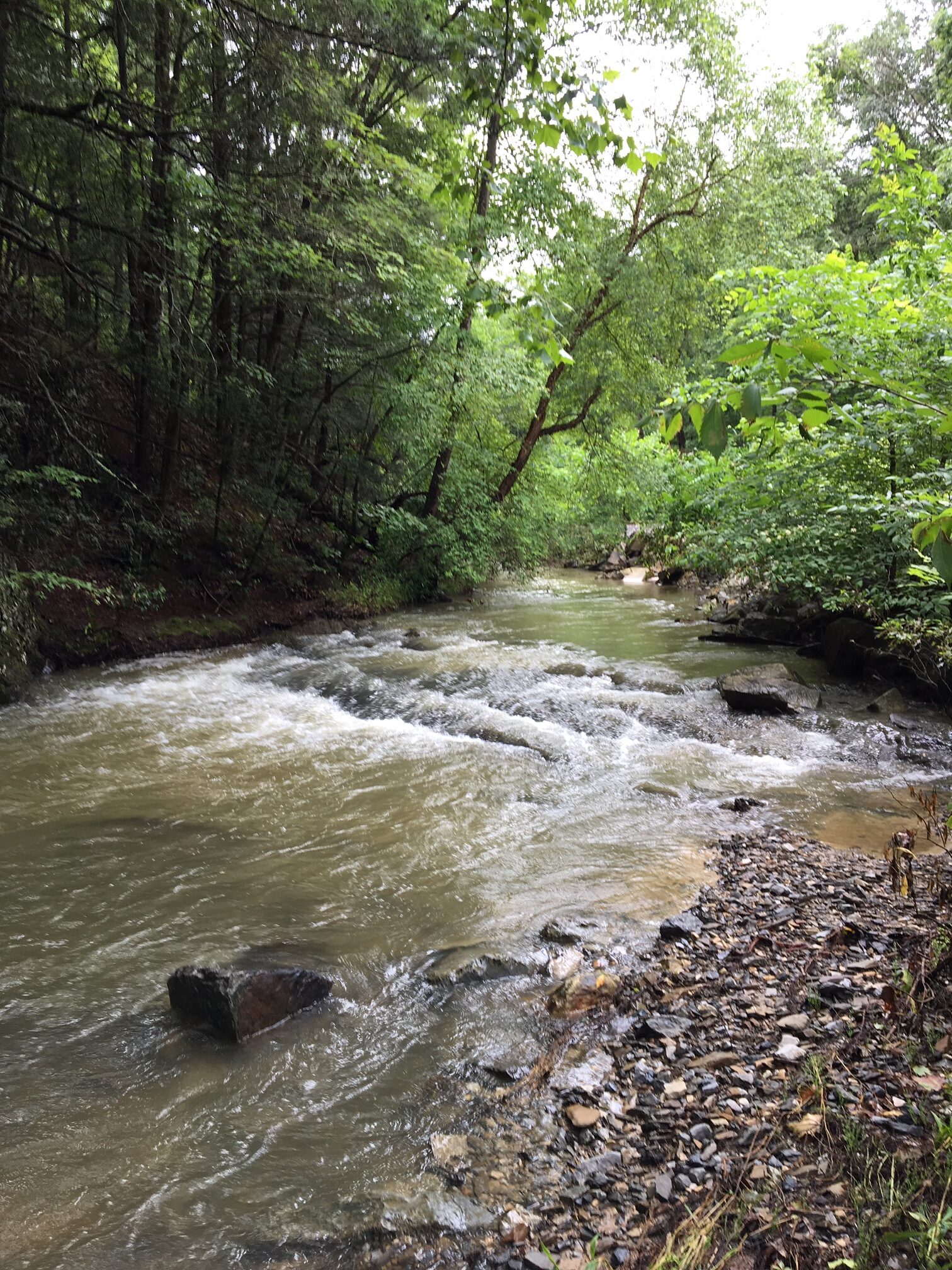
Stabilization anchors soil, restores vegetation, and may redirect or slow the water’s force away from the streambank. This reduces erosion while improving habitat for fish and wildlife.
Benefits
- Prevents property loss to erosion
- Improves water quality by reducing sediment
- Creates healthier stream habitat
Where It Works Best
- Along streams with visible erosion or bare soil
- Properties with enough space to replant a buffer
- Works best when neighbors cooperate along the same stream reach
Homeowner Tips
- Plant a buffer of native trees, shrubs, and grasses
- Avoid mowing to the stream edge
- Large stabilization projects may need professional design/permits
Maintenance
- Water new plantings until established
- Control invasive species
- Monitor after storms for damage
At a Glance
- Cost: Moderate to very expensive (depending on scale and materials)
- Effort: Medium to high
- Space Needed: Moderate–Large
The work we do is meaningful
Stay informed about our efforts to protect and restore the Warm Springs Run watershed. Sign up for our newsletter to receive the latest news, events, and ways you can get involved.
Read Our News and Articles
About the Revamped Warm Springs Watershed Association Website
We hope you are enjoying our updated website. Our goal is to highlight our mission to…
WSWA Supports Natural Green Infrastructure Efforts
The Warm Springs Watershed Association (WSWA) has been investing in green infrastructure throughout the community since…
There Would Be No Life on This Planet Without Trees
The Warm Springs Watershed Association is once again partnering with the Cacapon Institute to provide interested…