522 Bypass

522 Bypass

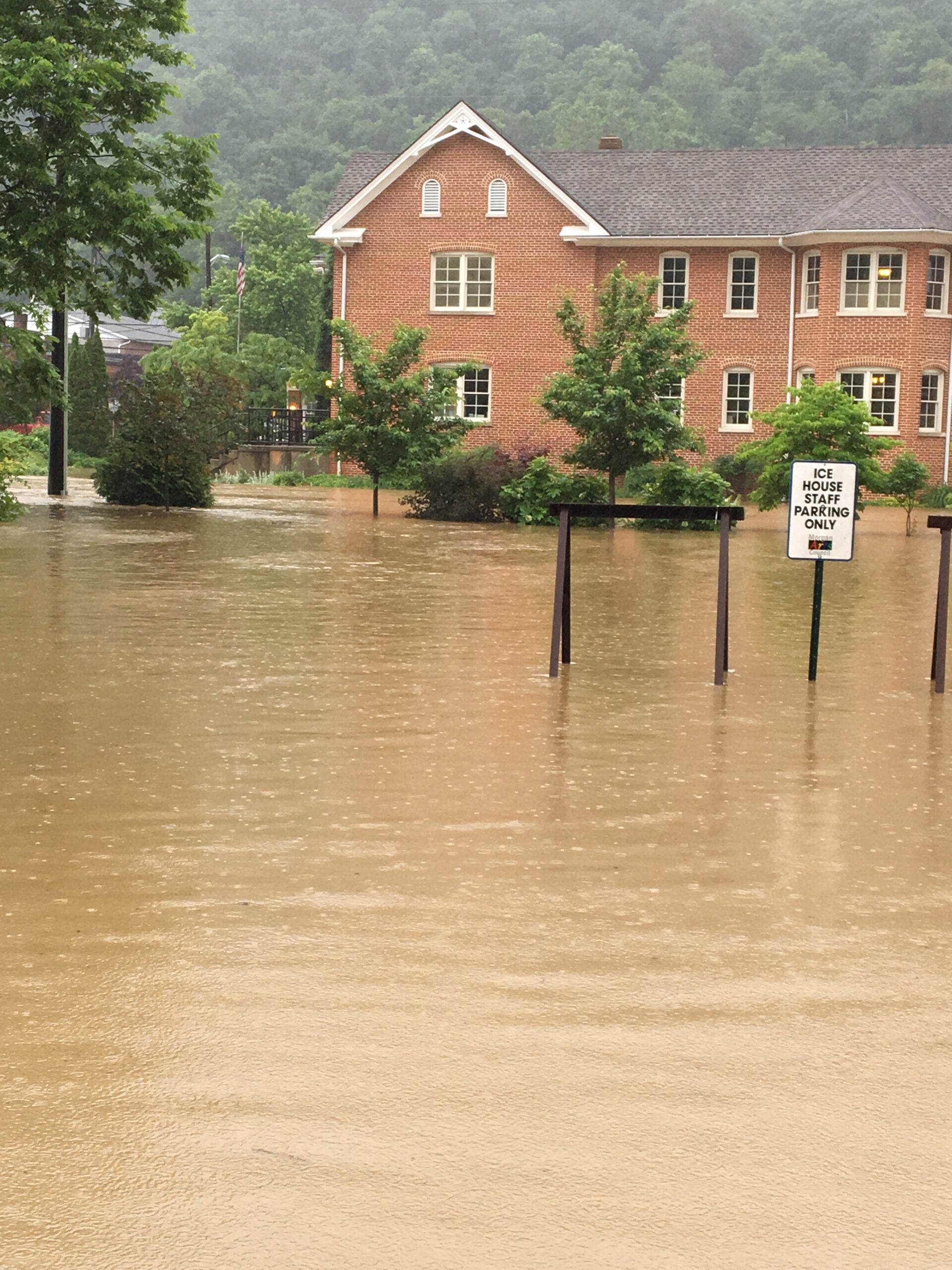
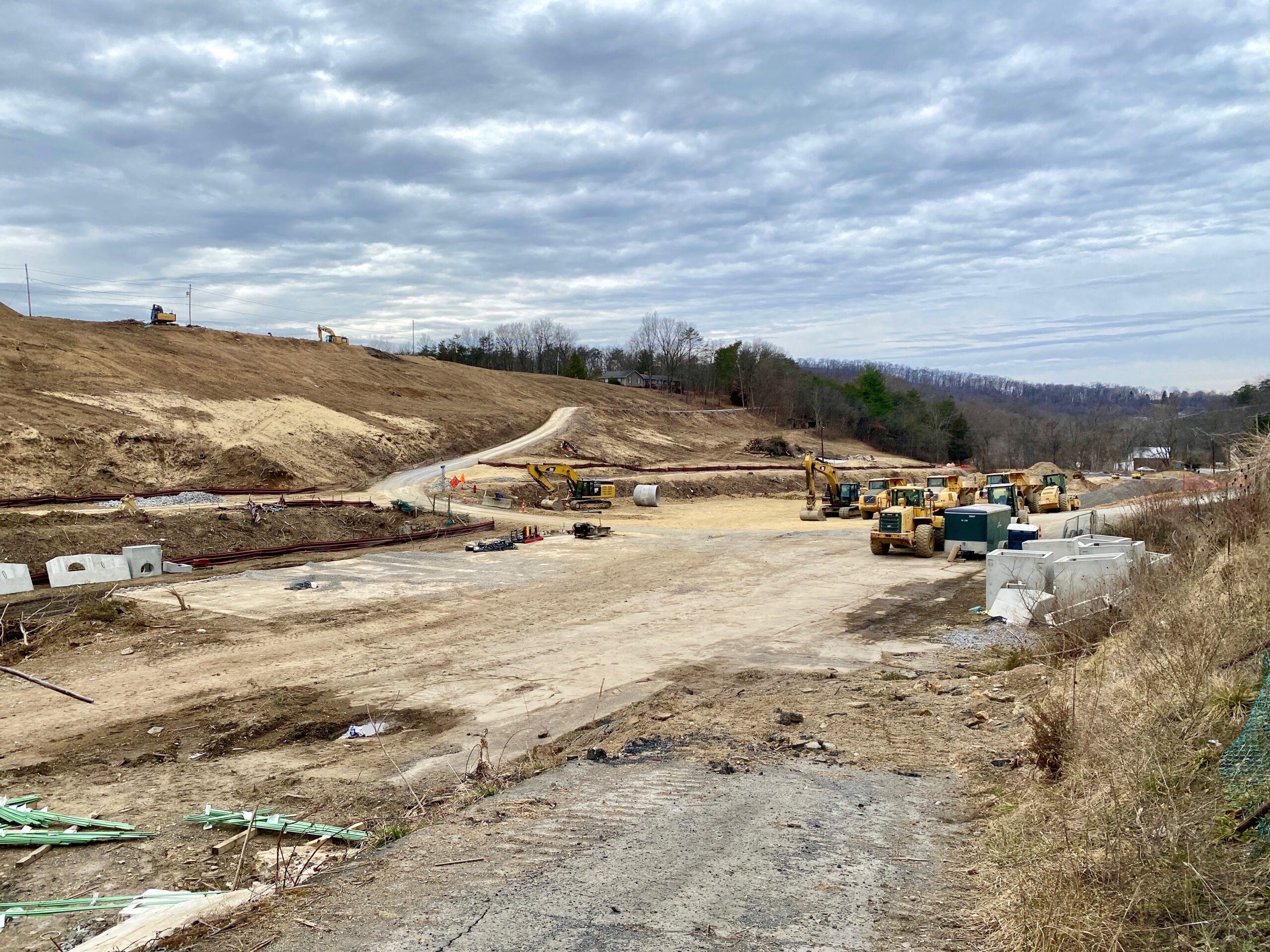
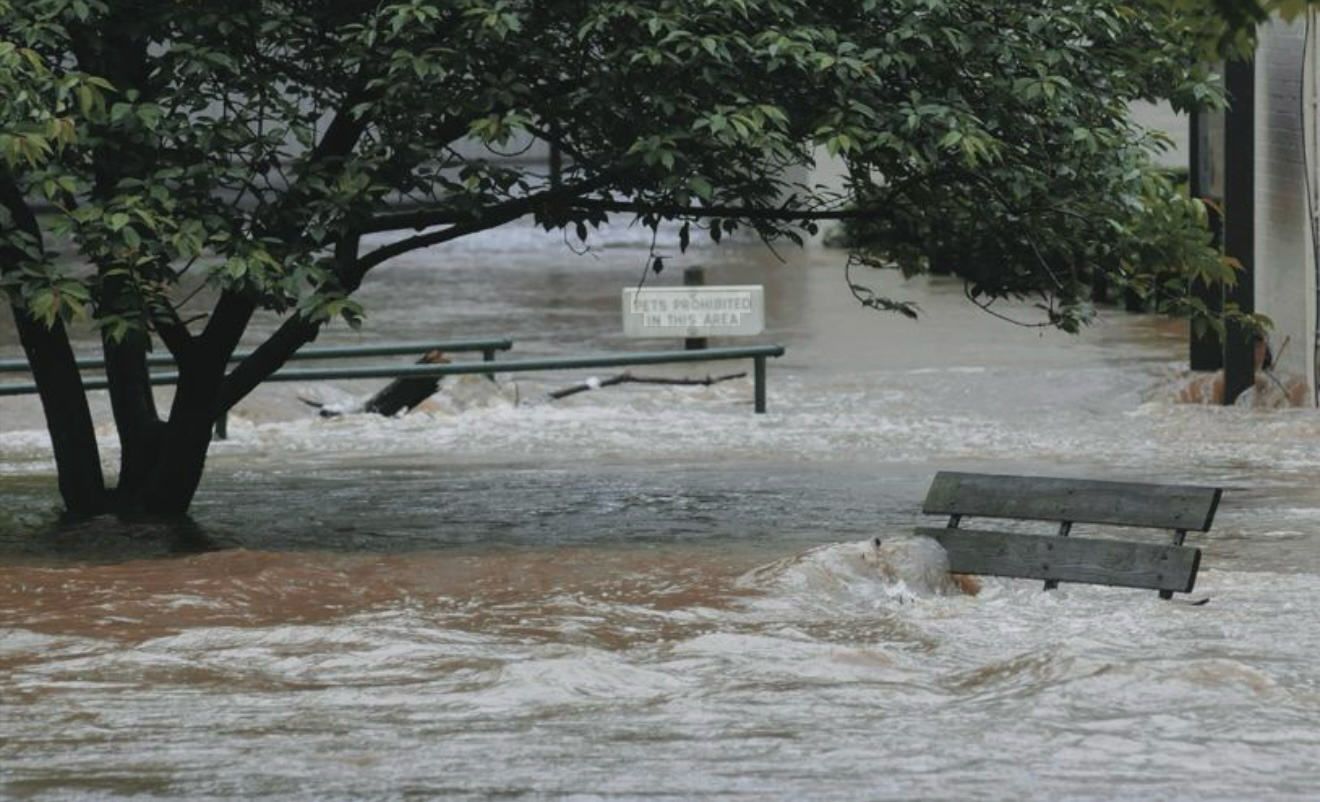
The Berkeley Springs 522 Bypass adds 36 acres of impervious surface. Impermeable surfaces, steep slopes, and shallow soils increase the chance of flash flooding.

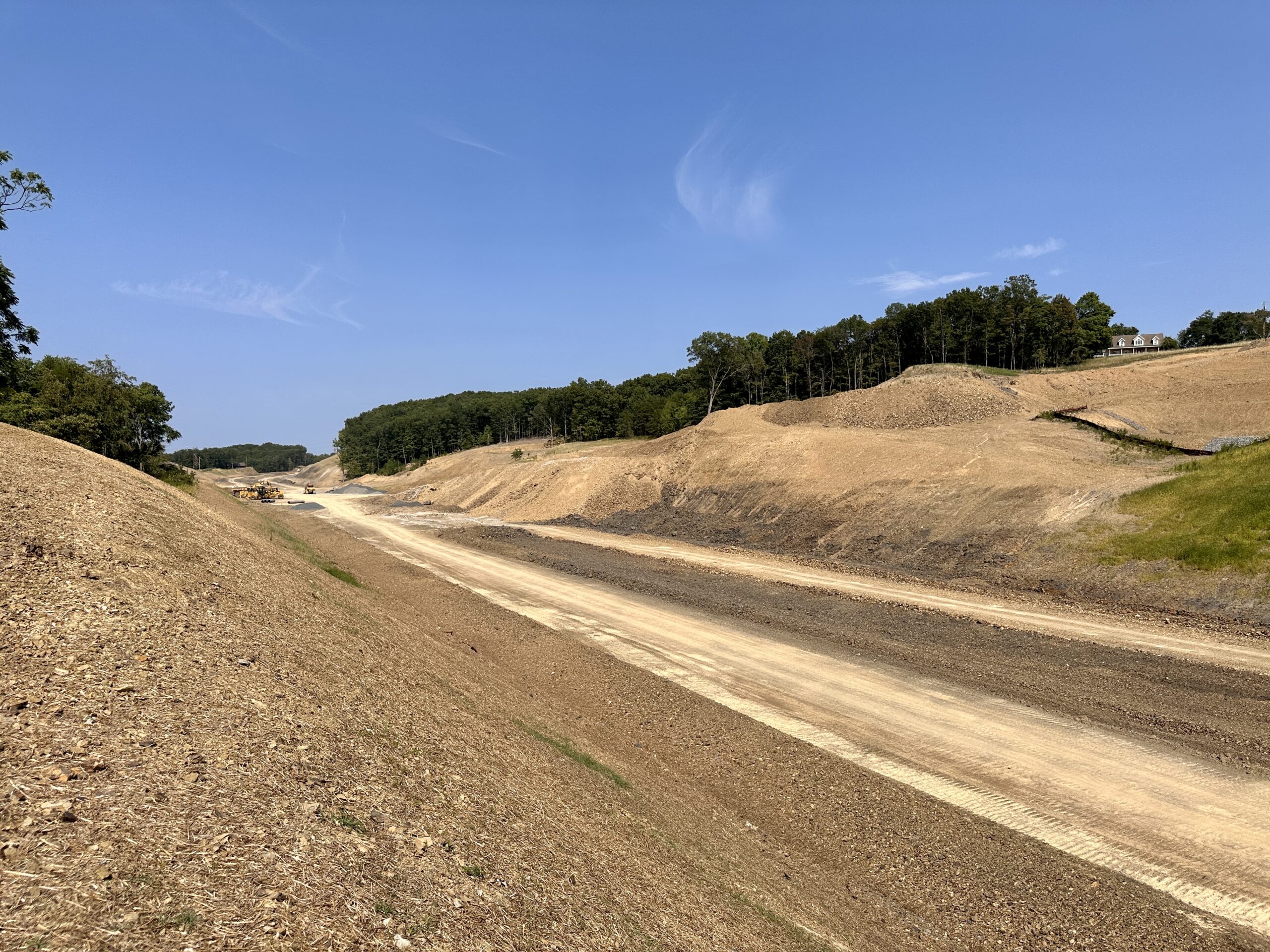
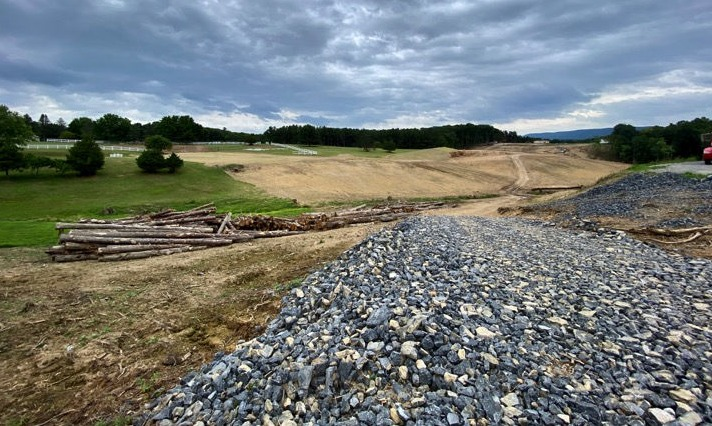
Removing trees and ground cover from fragile hills has the potential to cause significant erosion. While WSWA’s ongoing efforts capture some of the water carrying sediment released by the erosion, a portion of it will inevitably end up in the Run. Increased amounts of sediment will collect in the streambed, reducing the space for floodwater to collect, thus increasing the potential severity of flooding. WSWA stream monitors have already noticed more sediment in the rocks in the Run.

Bypass construction will eventually:

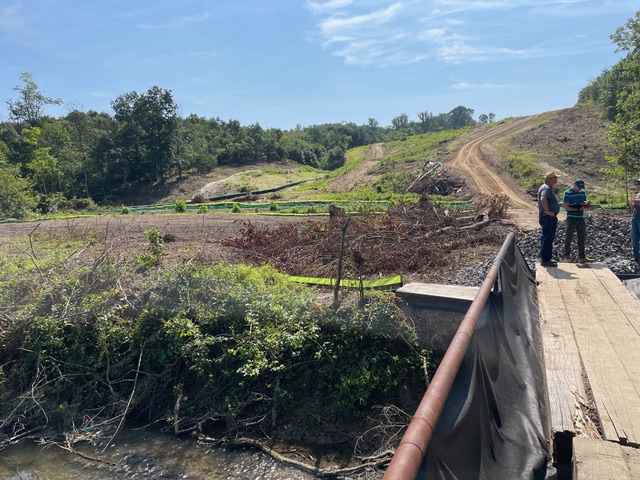
WSWA volunteers have been trained to use a WV Rivers protocol to do weekly monitoring in areas of the Run potentially affected by the 522 Bypass construction. We look for increased amounts of sediment carried to the stream by stormwater runoff from construction areas. We share our data with the Trout Unlimited WV-VA Water Quality Monitoring Project and with West Virginia Rivers. The WV Department of Highways contracted with a team from WVU to conduct similar testing.

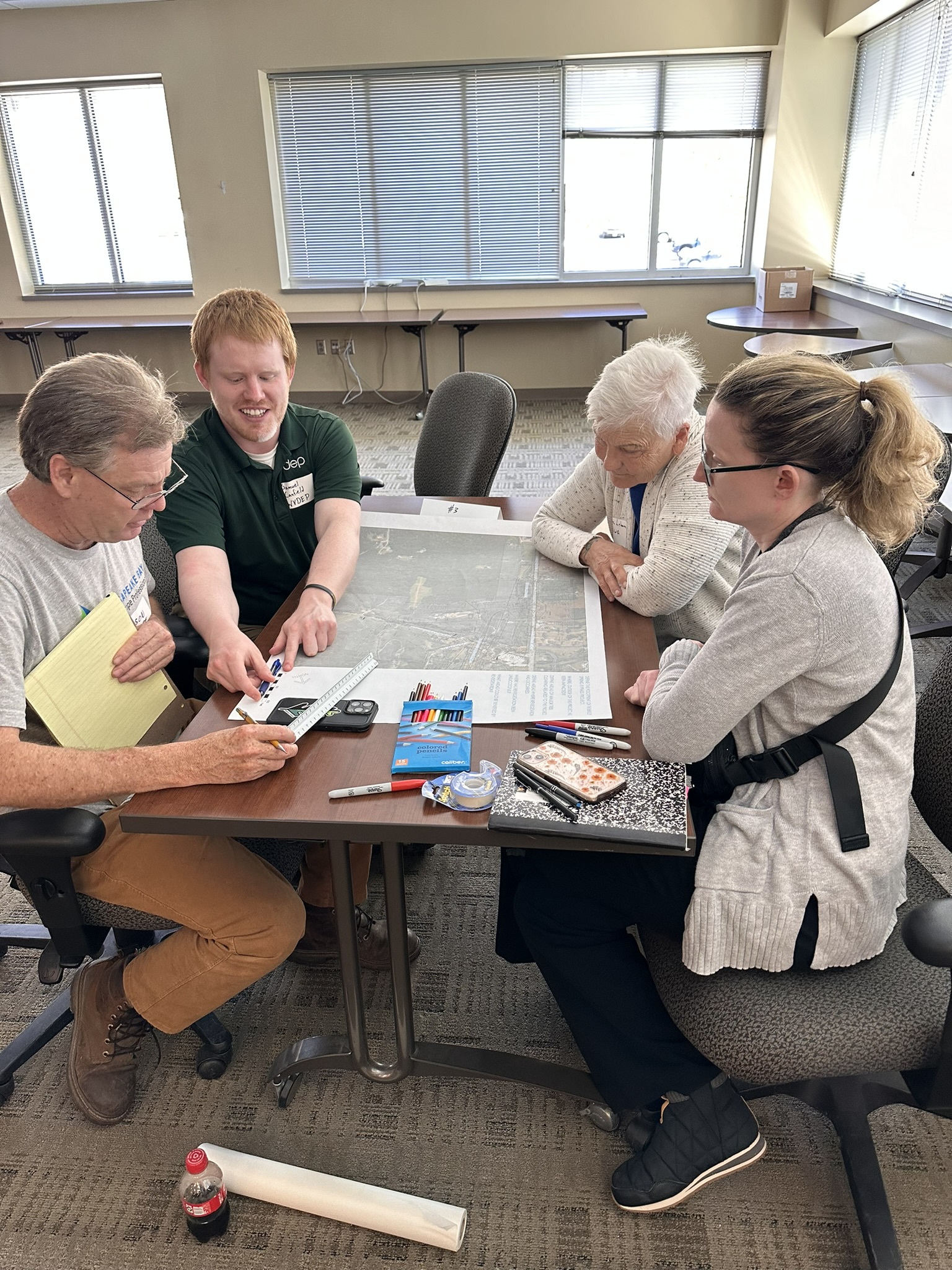
Regarding revegetation of the Bypass corridor, WSWA coordinated with WVDEP and WVDOH to establish a plan for reforesting in 2025. We worked with Cacapon Institute to provide trees for property owners in close proximity to the Bypass. At the ground level, we worked with WVDOH to select an optimal mix of seeds for native groundcover.


As of August 2026, WSWA will be engaged in implementing a major Chesapeake Bay Trust Storm Smart Chesapeake grant to restore native trees and shrubs along the bypass corridor. WSWA will select low maintenance plant varieties that are of value to pollinators and birds, and are deer resistant as well as drought tolerant. The end result will reestablish tree canopy lost during the bypass construction, thereby securing long-term benefits for the watershed and for Berkeley Springs.


As part of the project execution, WSWA will be recruiting and working with community volunteers. Together, this U.S. 522 Bypass Restoration Collaborative will assist with tree and shrub location and selection, among other helpful activities. Anyone interested in joining the Collaborative is strongly encouraged to email wswa2008@gmail.com. 

WSWA Newsletter

The work we do is meaningful

Stay informed about our efforts to protect and restore the Warm Springs Run watershed. Sign up for our newsletter to receive the latest news, events, and ways you can get involved.

Blog

Read Our News and Articles

From the September 9, 2026 Issue of The Morgan Messenger

From the September 9, 2026 Issue of The Morgan Messenger

Warm Springs watershed flood control options could move to design phase with county & town agreement…

WSWA Stream Monitoring

WSWA Stream Monitoring

If it hadn’t wiggled, I wouldn’t have seen it. But it did wiggle, so I used…

Trees Available to Plant!

Trees Available to Plant!

WSWA is partnering with the Cacapon Institute this fall to offer native trees and shrubs in…

Category:
  • Projects
Share To: